Introduction
Workplace safety depends on a drug and alcohol-free environment. Employers have a responsibility to protect employees, customers, and their business operations. Drug and breath alcohol testing programs provide a structured way to achieve this.
Why Testing is Essential
Substance use can lead to accidents, reduced productivity, and legal risks. Testing programs help:
Deter employees from using drugs or alcohol while working.
Identify risks before they cause harm.
Protect company reputation and compliance with state or federal regulations.
Types of Testing
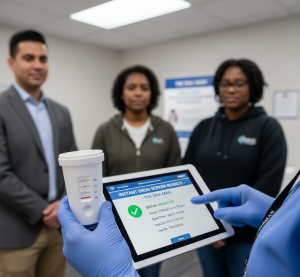
Drug Testing: Detects illegal or controlled substances through urine, saliva, or hair samples.
Breath Alcohol Testing: Measures current impairment with fast, on-site results.
When Employers Use Testing
Pre-employment: To ensure candidates meet workplace standards.
Random testing: To maintain a culture of accountability.
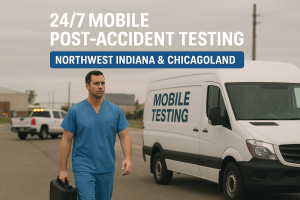
Post-accident testing: To determine if impairment contributed to incidents.
Reasonable suspicion testing: When supervisors observe signs of substance use.
Confidentiality and Compliance
Certified testing providers follow privacy laws and ensure results remain confidential. Reports are accurate, legally defensible, and handled with professionalism.
Conclusion
Drug and breath alcohol testing is more than compliance, it is a proactive measure to ensure safety, productivity, and trust in the workplace. Employers who prioritize testing demonstrate their commitment to a secure and reliable workforce.